

Welcome to my journal.
This is a space for stories, reflections and conversations about the things that matter.
Birth. Motherhood. Women's health. Healing. Identity. Change.
The moments that shape us and the experiences we carry.
As a Midwife, Birth Rewind Practitioner, Storyteller and Woman navigating my own chapters of life, this journal is where professional knowledge meets personal reflection.
Some posts will explore birth and maternity care.
Some will share thoughts on women's health and wellbeing.
Others may simply be observations from life, nature, recovery, work and the everyday experiences that connect us.
I hope you find something here that informs, reassures, challenges or resonates.
Thank you for reading.
Gemma x
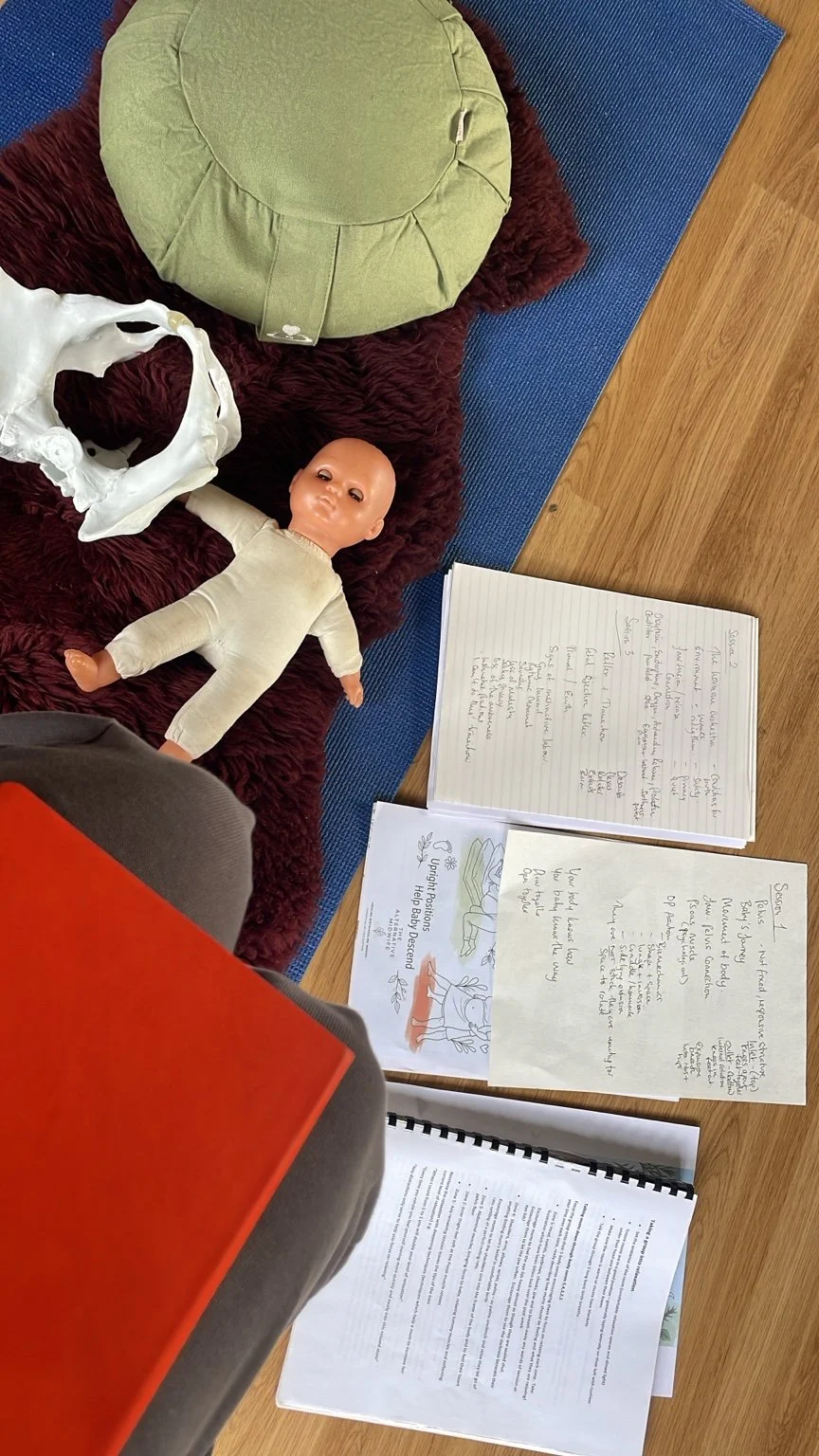
We Prepare for Birth. But Do We Understand It?
We prepare for birth with classes, plans and information, but how much do we really understand about what the body is doing? After sixteen years teaching and working around birth, I keep coming back to the same thing: being given information is not the same as understanding it.
I left the NHS but I couldn’t leave this behind.
The Birth Recovery Project has been quietly forming for years. Through my work in birth trauma, private birth recovery support, my own experiences of women’s healthcare and ultimately leaving the NHS, I kept seeing the same thing: a huge grey area between routine postnatal care and specialist mental health services. This is the story of why I believe we need to start talking not only about birth trauma, but about birth recovery.
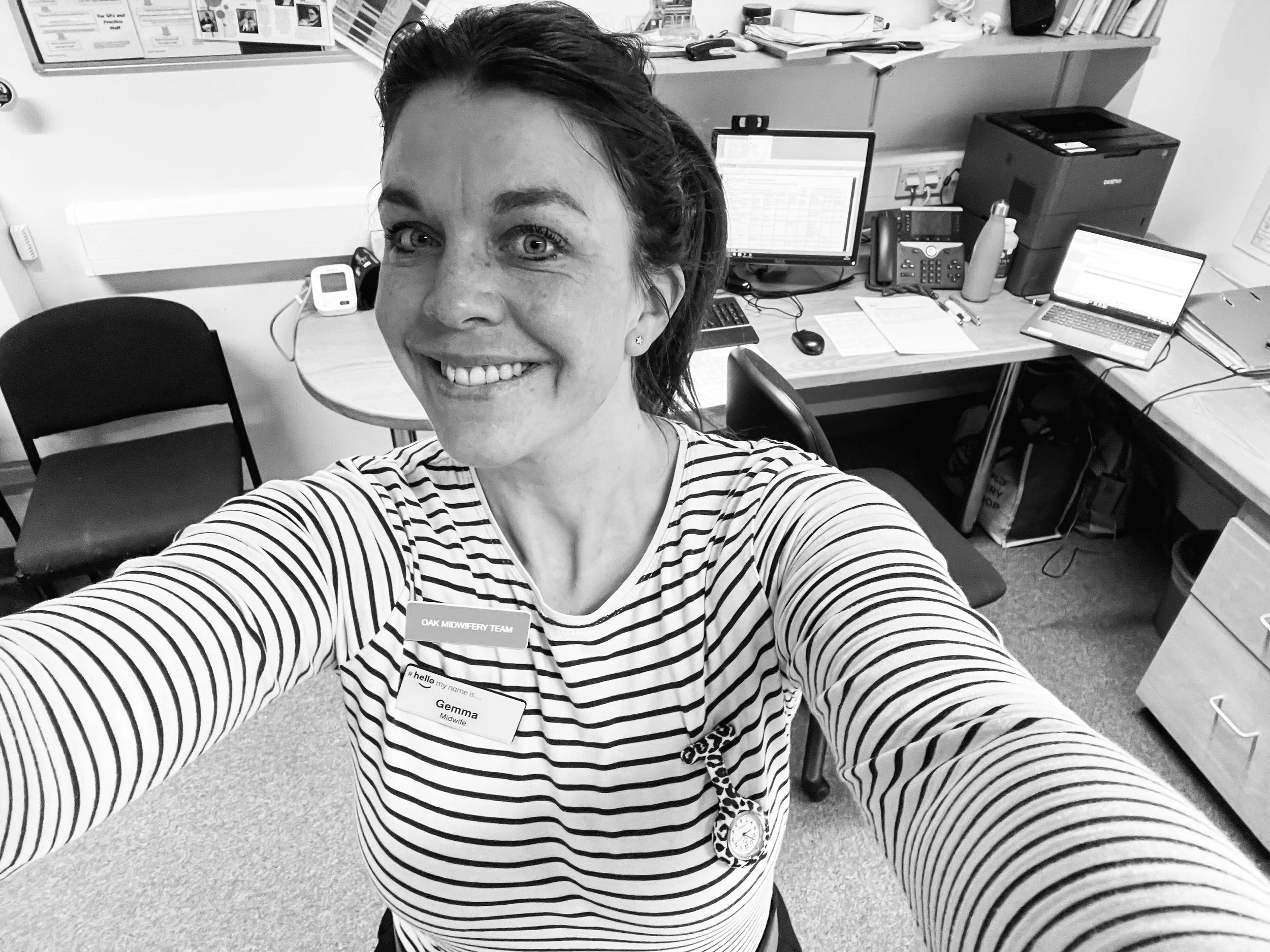
When Pregnancy Takes an Unexpected Turn
Pregnancy rarely follows a script. When plans change, understanding physiology, protecting autonomy and preparing your nervous system can help transform fear into confidence and uncertainty into informed choice.
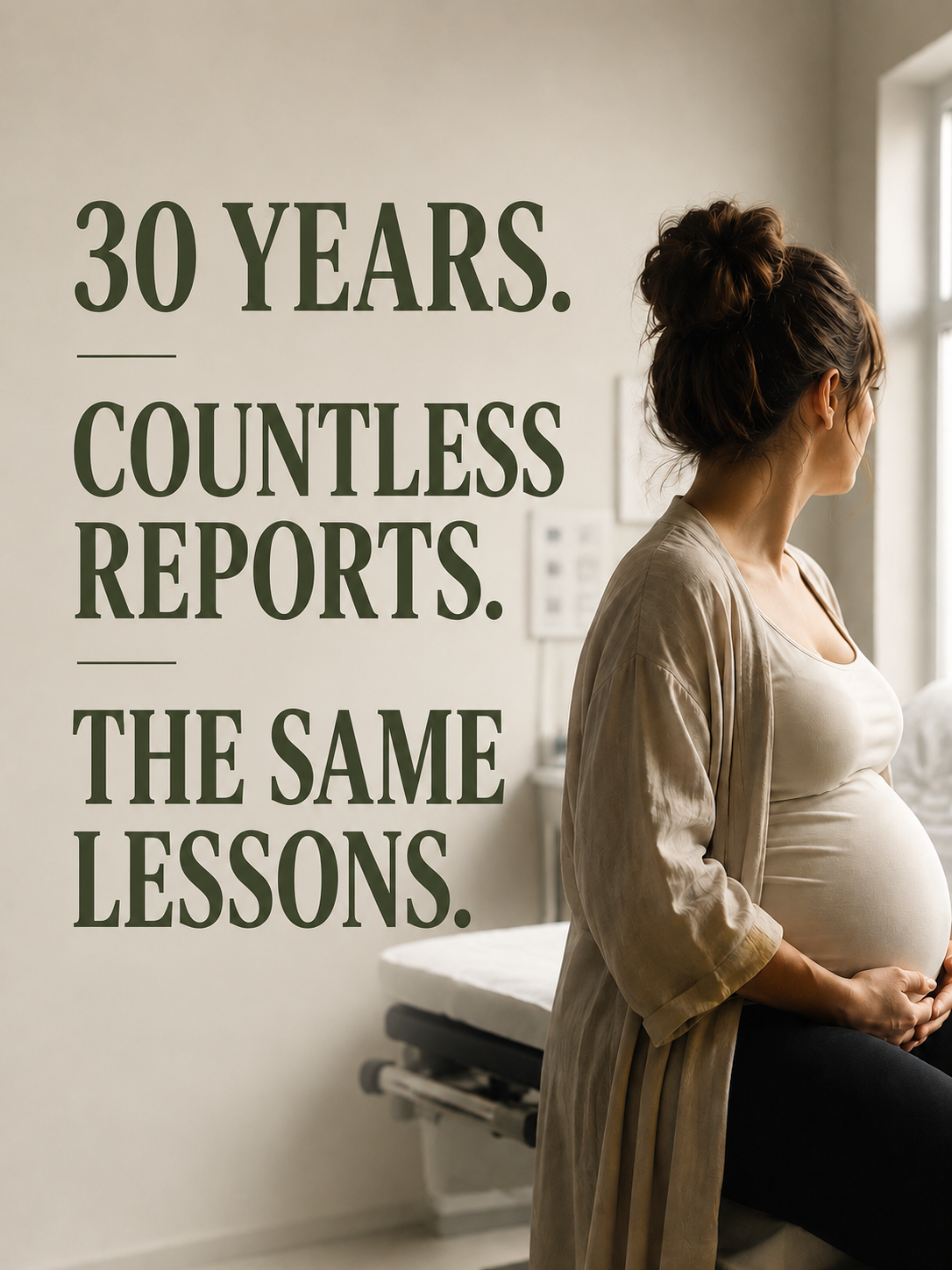
How Many More Reports?
How many more maternity reports do we need before we stop writing about the problems and start truly changing them?
As the latest maternity investigations dominate the headlines, I find myself returning to a question I have asked for years. The names of the reports change, but the themes remain remarkably familiar: women not being listened to, staff working under immense pressure, poor communication, failures in informed consent and cultures that struggle to learn from harm.
Drawing on my experiences as a midwife, this reflection explores why the same lessons continue to appear decade after decade, the wider cultural and systemic issues affecting maternity care, and why meaningful change requires more than another set of recommendations. Above all, it is a call to remember the women, babies, families and professionals at the heart of every report.
Induction Is Not Just a Date in the Diary
Induction of labour is not just another date in the diary. It is a significant medical intervention that can change the course of birth. As a midwife, I have seen it save lives, but I have also seen women consent through fear rather than understanding. This is not a blog about saying yes or no to induction. It is about honest conversations, informed choices and remembering that birth still belongs to the woman at the centre of it
You Didn’t Stay Quiet Because You Agreed
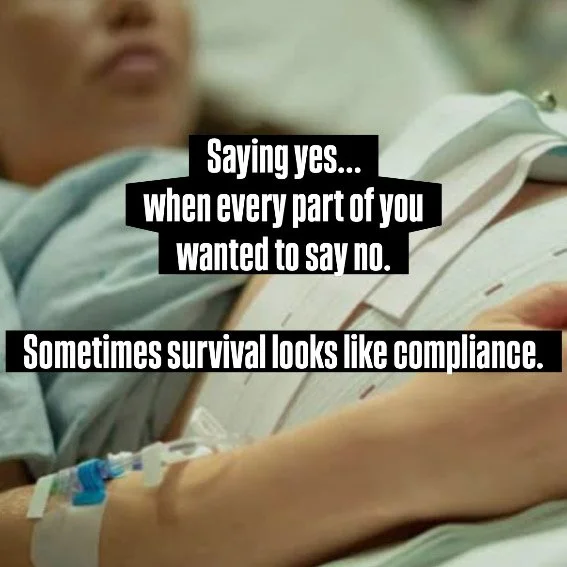
Many women replay their birth for months or even years, asking themselves, “Why didn’t I speak up?” But what if the real question is, “Why didn’t I feel safe enough to?” In this article, I explore how birth trauma can show up as compliance rather than panic, why your nervous system may have been protecting you, and why understanding your experience is often the first step towards healing.

Untangling Myself from the System
The further I step away from the rigid edges of institutional midwifery, the more I find myself again. For years I tried to squeeze myself into systems built on boxes, pathways and protocols. But birth has never lived neatly inside a form, and neither have I. I am dyslexic. I don’t think in straight lines. I think in stories, in connections, in the quiet moments between the words. And perhaps that’s exactly why I have found myself returning to the work that has always mattered most: helping women understand birth, make sense of their experiences, and reconnect with the extraordinary wisdom of their own bodies. Maybe this is not about leaving something behind. Maybe it is about finally coming home.

The Space Between: Midlife, Menopause & Becoming the Elder
There comes a point in a woman’s life when the fire changes form. It doesn’t burn to prove anymore, it burns to illuminate. Midlife asks us to let go of what we’ve been, to soften into what we are becoming. It is a sacred unravelling, a space between medicine and mystery, between doing and simply being. Here, the elder begins to rise - slower, steadier, truer.

What Does it Mean to Be a Midwife?
The word midwife comes from the old English “mid wif” it means “with woman.” Not above, not for, not instead of. Simply with. A midwife is one who stands beside. Who bears witness. Who holds, who notices, who encourages.
This is ancient work. Before hospitals and textbooks, before titles and certificates, there were always women walking with women. The Wise Women of the village, the keepers of stories, the healers who used herbs, hands, songs, and silence. They were midwives not just for birth, but for all thresholds - the bleeding of first moons, the bringing forth of life, the mourning of loss, the crossing into menopause, the stepping into elderhood.

The Red River: Rethinking Menstruation
Periods are not weakness. They are not dirty. They are not “the curse.”
They are the red river of life.
Across the world, girls are given pads but not power. They’re told to whisper, to hide tampons up their sleeve, to excuse themselves in shame.
But here’s the truth: menstruation is not a private embarrassment. It is a vital sign of health.

The Power of Self-Hypnosis and Words: Rewiring the Pathways of the Mind
Self-hypnosis is not magic. It is not trickery. It’s the quiet, powerful work of teaching your mind to see differently and, in doing so, reshaping how your body responds.
When we drop into a state of relaxation, when the breath softens and the noise of the outside world fades, the subconscious opens. This is the place where old stories are stored. Stories that whisper: “You can’t.” “You’re not enough.” “This is too much for you.”
Breathwork: Healing the Nervous System, Healing Ourselves
Life has a way of throwing us off course.
Moments of trauma, grief, or stress leave their imprint in the body. Sometimes, those imprints get stuck. We find ourselves living in a body that feels unrecognisable, carrying health symptoms that no one can quite explain - fatigue, anxiety, pain, or a sense of being cut off from ourselves.
Too often, women are told to just “manage it.” Women’s health is underfunded, under-researched, and overlooked. So we look for other ways to support ourselves like diet, exercise, talking with friends, sharing stories. These things matter. But sometimes, we need something deeper. Something that works directly with the nervous system, the mind, and the energy that runs through us.
This is where breathwork comes in.

Being Heard, Being Seen: The Power of Telling Your Story
Life moves us through chapters, sometimes gently, sometimes like an earthquake. We find ourselves in new places: puberty, womanhood, motherhood, menopause, grief, endings, beginnings. And often, no one stops to say:
This is a threshold. This is real. This matters.
The Wise Woman Line: Healing Ancestral Threads
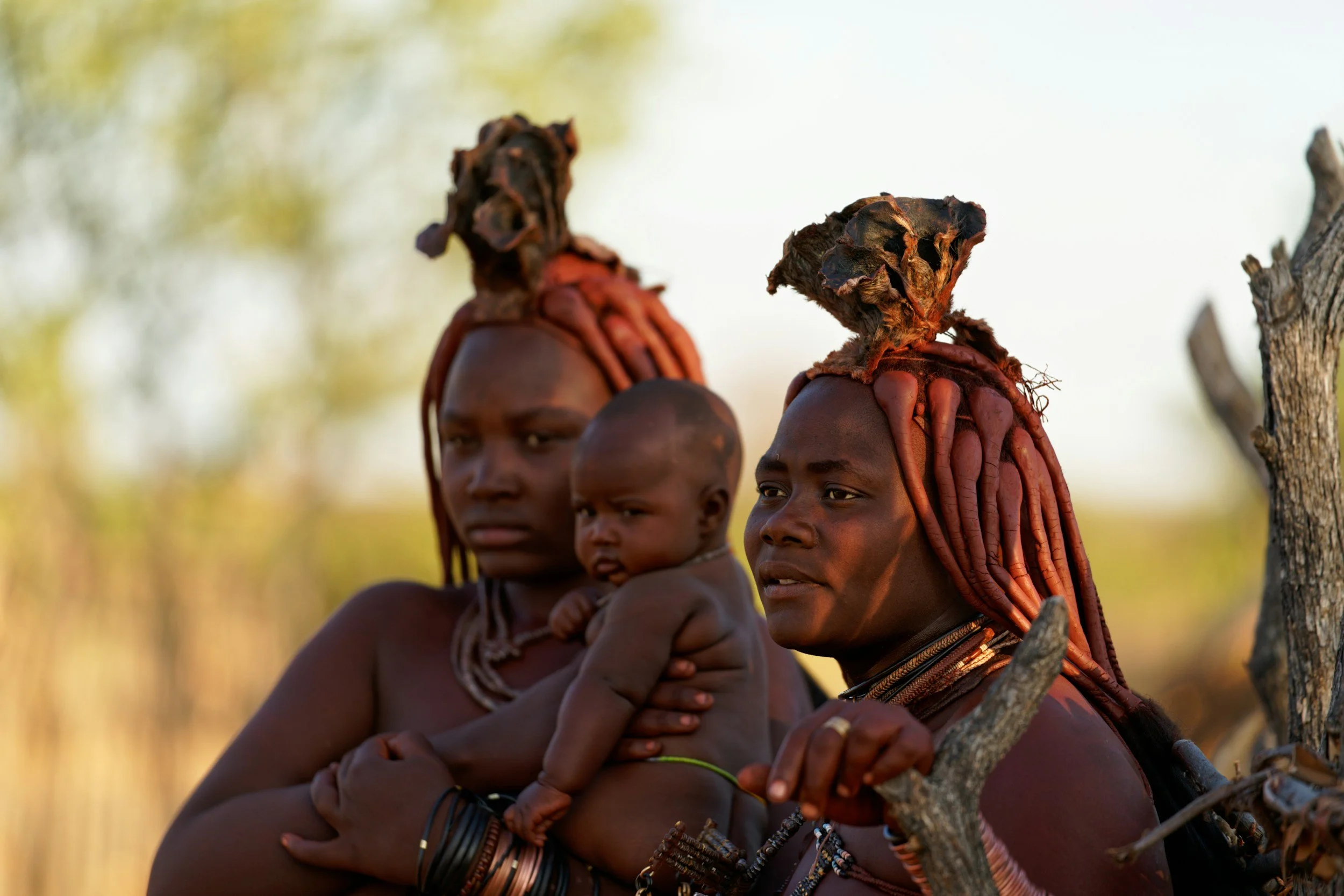
Every culture has its Wise Woman.
She is the healer, the midwife, the grandmother, the herbalist, the keeper of stories. She knows life and death, thresholds and transitions. She is feared and revered because she cannot be controlled.
And whether we realise it or not, that archetype lives within us.
Every Chapter, Held and Healed: Why I Pivoted The Alternative Midwife
For years, I have walked with women through birth.
I have sat beside them in labour, held their hands in the hours after, listened to their stories of joy, and carried the weight of their stories of pain.
But somewhere along the way, I realised something.
It isn’t just about birth.
It’s about all the thresholds women cross in a lifetime.
Puberty. Motherhood. Menopause. Grief. Loss. Becoming.
These are not failures or weaknesses. They are initiations. Each one changes us. Each one asks us to let go of something old and step into something new.
And too often, women are left to face those thresholds alone.
The Ripple Effect of Birth Trauma: How It Impacts Bonding, Breastfeeding, and Family Relationships
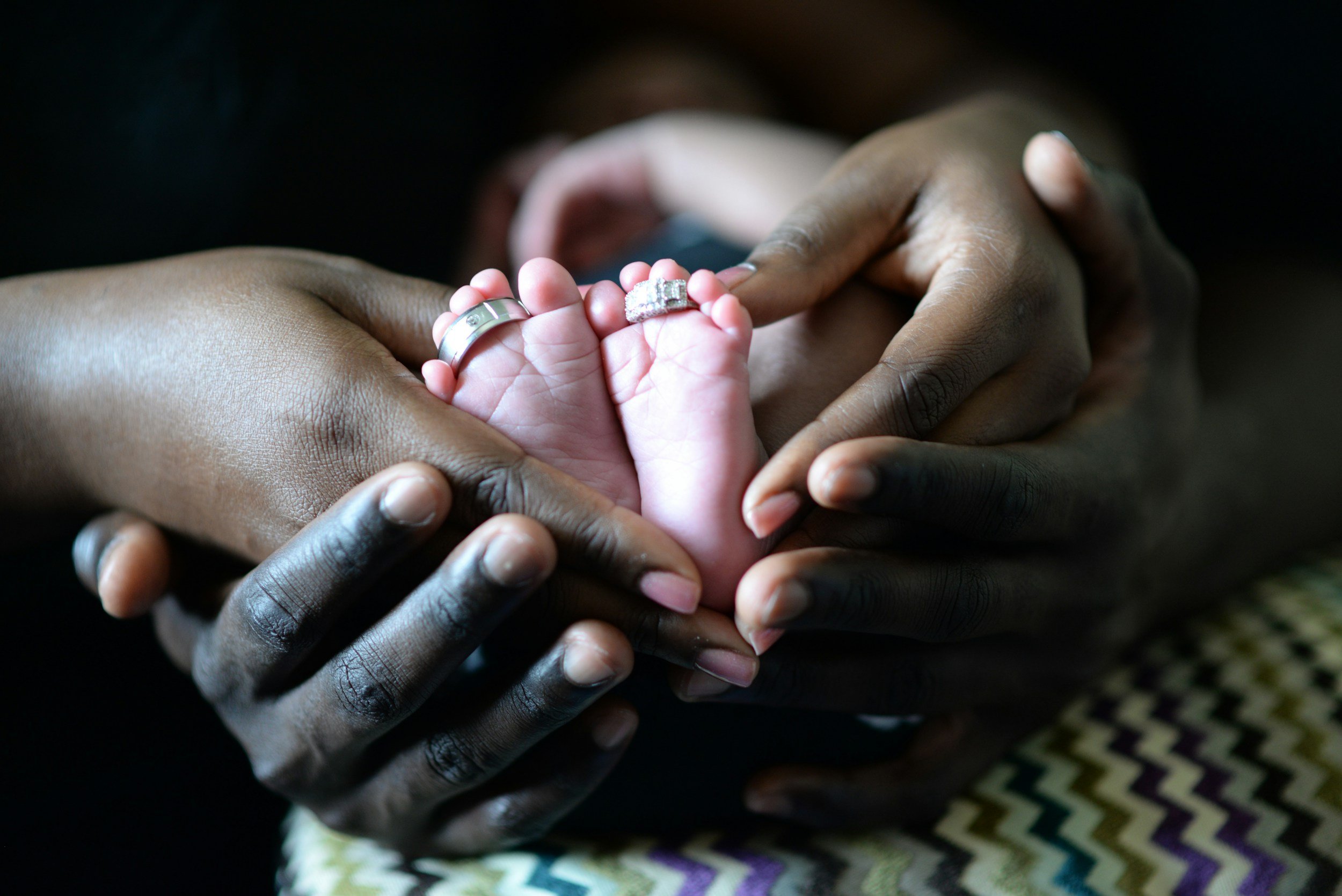
Healing from birth trauma is possible—and it begins with acknowledgment. Bonding may take time—and that’s okay. It’s never too late to reconnect, rebuild, and create a nurturing space for your baby and your relationship.

Healing After the Storm: How Trauma Therapy Transforms Outcomes for Mums After Emergency Births
Emergency births can be lifesaving—but they can also be life-altering. Trauma therapy empowers mums to reclaim their story, their strength, and their sense of wholeness.
Supporting Women Through Birth Trauma: A Dual Approach in My Midwifery Work
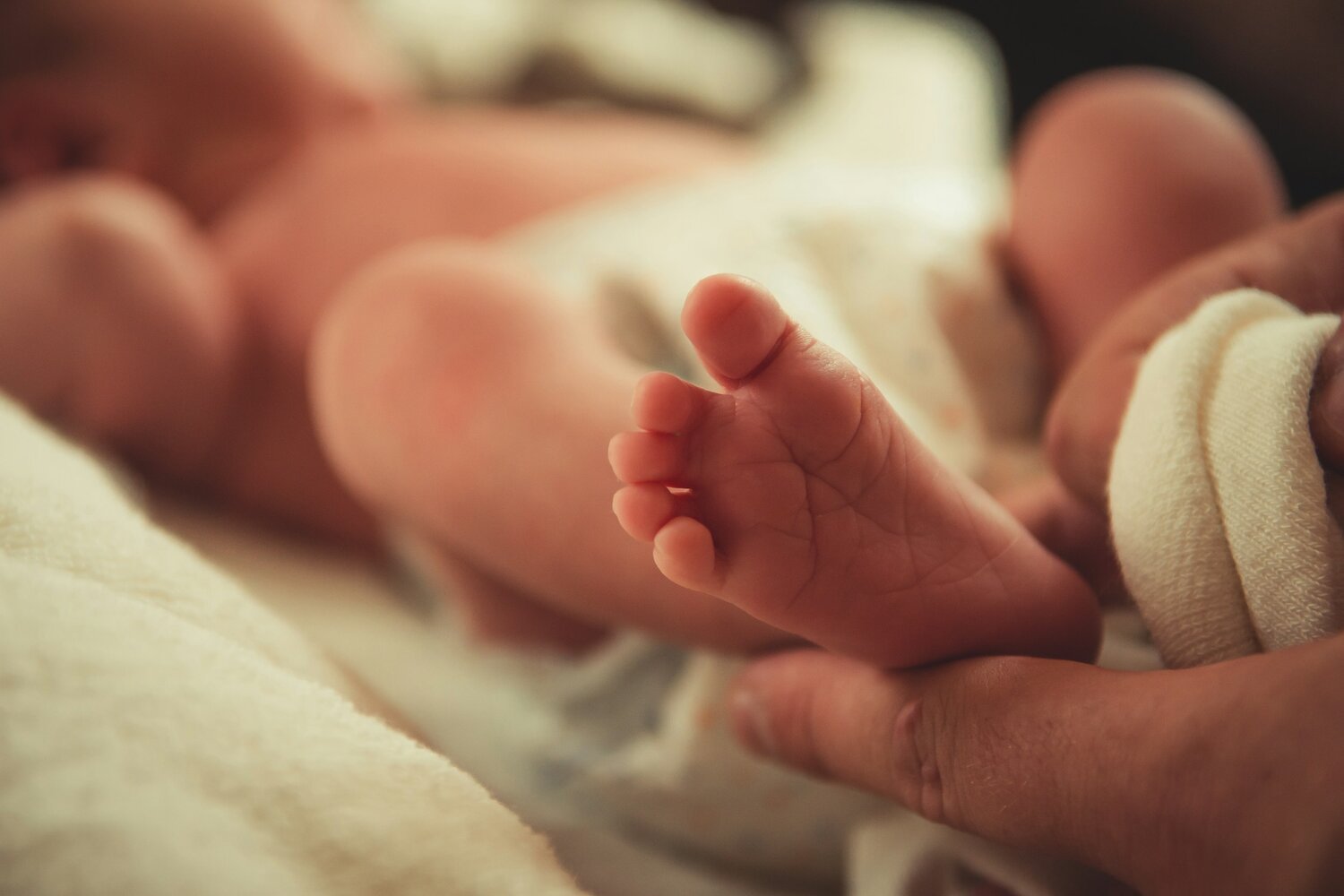
Whether I’m training a midwife in trauma-informed language or sitting with a mother as she shares her story for the first time, the goal is the same: to help women feel safe, supported, and truly seen. No one should have to carry the weight of birth trauma alone.